Why Women with Disabilities Must Lead Humanitarian Action
For many years, women with disabilities have been viewed primarily as beneficiaries of humanitarian assistance. Yet their lived experience equips them with valuable knowledge that can strengthen humanitarian programmes, influence policy, and improve community resilience.
The Community Association for Vulnerable Persons (CAVP) was founded to change this narrative. Since 2015, CAVP has worked with women and girls with disabilities, survivors of gender-based violence, young women living with HIV, widows and other vulnerable groups across Mezam Division in the North West Region of Cameroon. Through advocacy, economic empowerment, peacebuilding, GBV prevention, sexual and reproductive health education and digital inclusion, the organisation demonstrates that disability inclusion is most effective when persons with disabilities lead the process.
Women with disabilities often face multiple barriers arising from gender inequality, disability, poverty and humanitarian crises. These barriers reduce access to education, healthcare, employment, leadership opportunities and justice. During conflict and displacement these risks increase further.
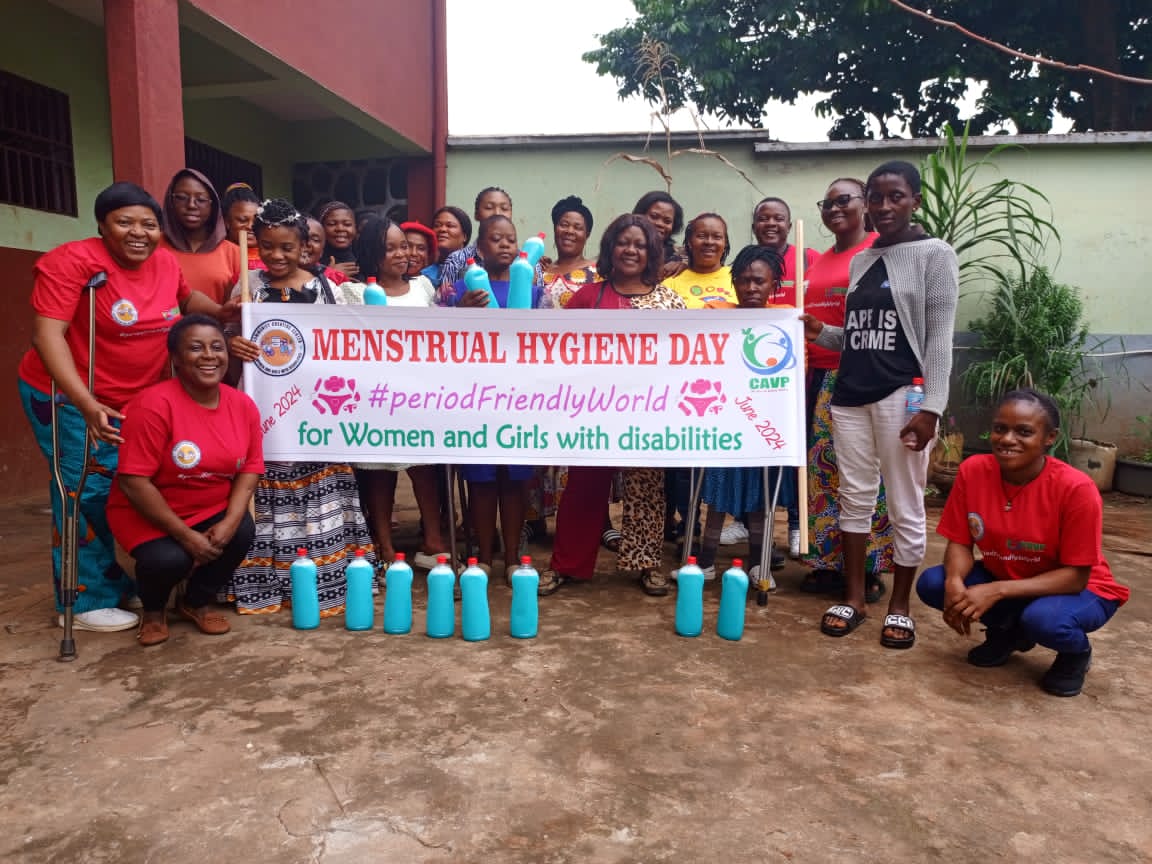
CAVP addresses these challenges through practical community action. Economic empowerment programmes provide vocational skills, business management training and start-up support. Gender-based violence prevention activities increase awareness and connect survivors with referral services. Women also receive education on sexual and reproductive health, menstrual hygiene and leadership.
Through the SHE-WINS project, implemented with Search for Common Ground, hundreds of participants strengthened their understanding of peacebuilding and the Women, Peace and Security agenda. The project also supported vulnerable community members to obtain birth certificates and disability cards, improving access to essential public services.
CAVP's approach reflects an important principle: inclusion should not simply mean inviting women with disabilities to participate. It means ensuring they influence decisions, shape programmes and become leaders within their communities.
Partnerships with government institutions, humanitarian organisations and development partners have enabled CAVP to expand its impact while remaining rooted in the communities it serves. The organisation continues to advocate for accessible services, equal opportunities and meaningful participation.
Every community becomes stronger when everyone has an equal opportunity to contribute. By investing in women with disabilities as leaders rather than passive recipients of aid, humanitarian organisations create more inclusive, sustainable and effective responses.
CAVP invites partners, donors, volunteers and community leaders to join this journey toward a society where no one is left behind.
Call to Action
Support CAVP's work by partnering with us, sharing our advocacy messages, volunteering or donating to help expand inclusive humanitarian programmes across Cameroon.